Spotlight on Career & Technical Education (CTE) with Guest Blogger
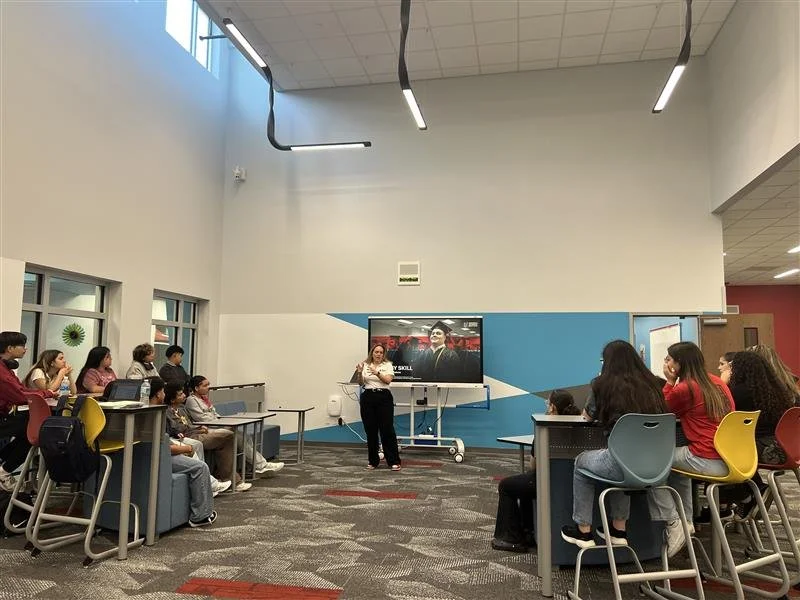
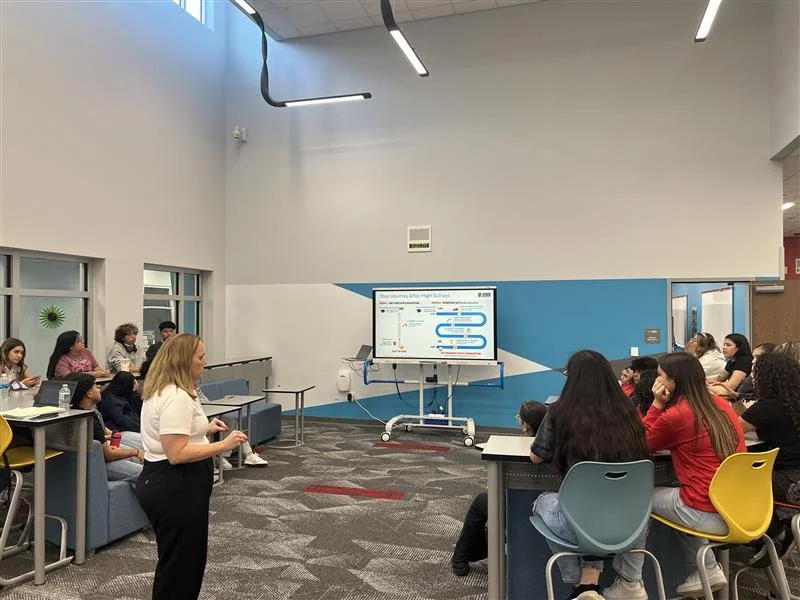
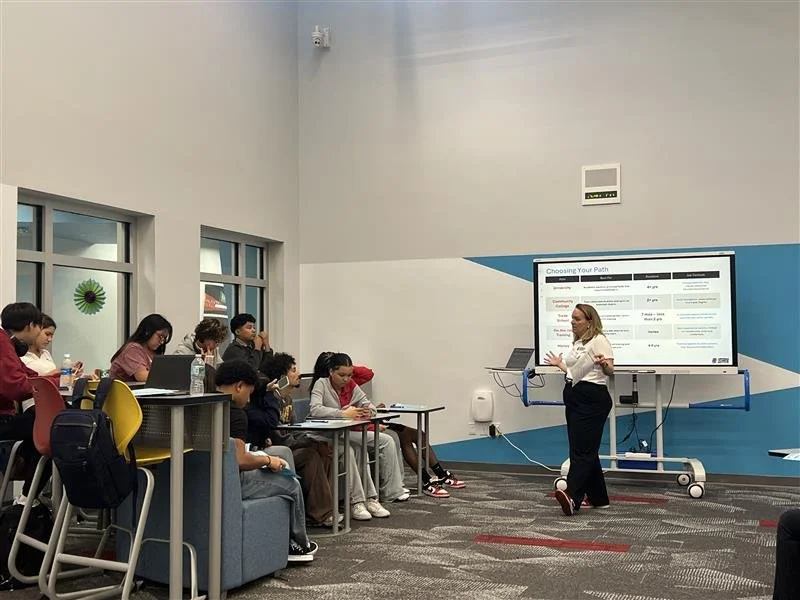
Written by: Ashley Gastel, Director, Counselor & Academic Relationships, Universal Technical Institute
There’s something special about watching students discover their path forward after high school. I’ve seen it many times over my years in education…it’s that moment when a student realizes their talents and interests actually have a place in the real world.
Click. Boom. Fireworks.
I’ve seen Career and Technical Education (CTE) create those moments again and again. CTE has a unique way of connecting learning to purpose in a way traditional education often can’t. And while Shakespeare is important (no shade to Hamlet), not every student needs to fully grasp iambic pentameter to be successful in life. Some students just want to learn how to wire a circuit, weld a joint, or diagnose an engine.
For far too long, CTE has been talked about quietly like it’s a secret we weren’t supposed to share. But it’s time we started shouting about it from the rooftops. CTE programs make learning fun! Why? Because they’re hands-on and applicable to real life. I’ve personally seen CTE programs pull students back from the edge of dropping out by giving them a reason to stay engaged. The act of doing the work suddenly gave them their spark back.
That’s the kind of engagement students need. Especially as we push 17- and 18-year-olds to choose a post-secondary path that can shape the rest of their lives. That’s a big ask! To be honest, as a grown adult with a master’s degree, I still contemplate what I want to do for the rest of my life. And today, students are making that decision without full information, as many of the careers of the future don’t even exist yet. That’s why exploration matters. Exploration gives students the context they need to make choices that fit them, not the path someone else told them to take.
Exploration isn’t just about discovering interests; it’s about preparing for a workforce that is changing fast! Welding is a great example. As demand for welders continues to rise, employers are turning to collaborative robots, affectionately named “cobots” to work with welders. The cobots handle repetitive tasks so the human welders can focus on more complex, high-value work. It’s not humans versus machines; it’s humans with machines and CTE is preparing students for exactly that future.
At the end of the day, this isn’t about choosing between Shakespeare and becoming friends with a cobot. It’s about letting students discover what actually makes them come alive. Some students genuinely enjoy unpacking Hamlet’s feelings. Others are thinking, “Respectfully, I would rather build something that works.” Both are valid and both are needed. Because the world doesn’t just need philosophers; it needs builders, welders, plumbers, electricians, automotive technicians, diesel technicians.
But here’s the reality we can’t ignore: by 2031, nearly half of all job openings in the U.S. will require what we are calling, “middle-skills.” These are career paths that demand more than a high school diploma but less than a four-year degree. These career paths will be powered by Career and Technical Education. CTE isn’t an alternative to success, it’s the cornerstone of the workforce that keeps our economy moving. CTE gives students the tools to thrive, and in turn, the workforce the people it needs to keep moving forward.

-
Ashley Gastel has spent the last 17 years working in education, helping students navigate what comes next after high school and find paths that actually fit who they are. She holds a bachelor’s degree in English Literature (yes, she can appreciate Shakespeare and befriend a cobot) and a master’s degree in Educational Leadership.
Throughout her career, Ashley has worked closely with students, educators, and industry partners to expand awareness of Career and Technical Education and modern workforce pathways. During her time with the School District of Osceola County, she helped develop and scale career dual enrollment and postsecondary pathway options that broadened access to college and career readiness opportunities. In her current role as Director of Counselor and Academic Relationships at Universal Technical Institute, Ashley travels across the country partnering with school counselors and education leaders to elevate CTE, connect education to industry, and ensure students are given real choices, real information, and the freedom to pursue careers that lead to purpose, stability, and success.